Essential Guide to Imported Engine Parts: What to Consider Before You Buy
When exploring the world of imported engine parts, multiple factors deserve close attention. Quality, compatibility, and cost play essential roles in ensuring ideal vehicle performance. It is essential to recognize the indicators of quality and to verify that parts meet specific vehicle requirements. Additionally, selecting reliable suppliers can greatly influence the overall experience. Understanding these elements will help in making informed decisions, though many continue to miss critical details that may affect their buying decisions.
The Significance of Imported Engine Parts
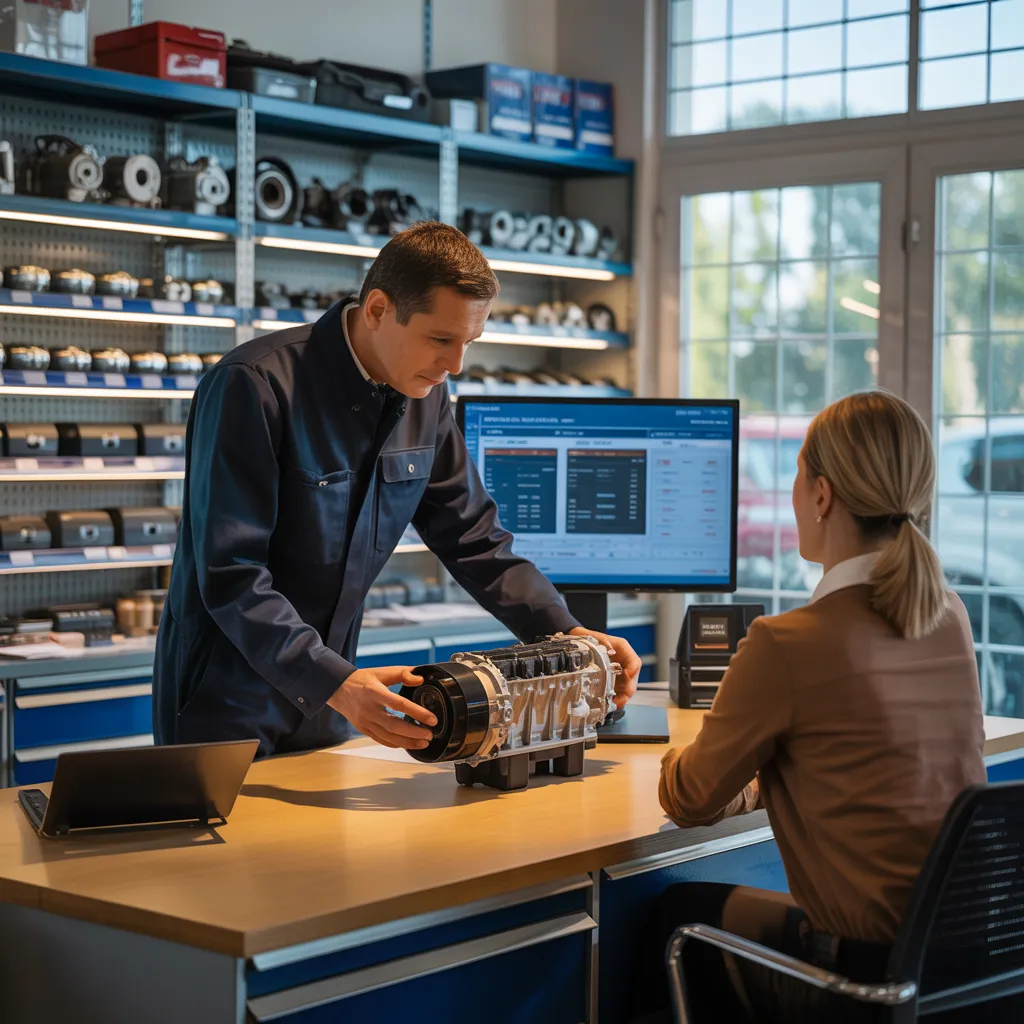
Imported engine parts hold considerable importance in the auto industry, as they commonly deliver exceptional quality and superior performance when measured against locally produced alternatives. Producers from nations celebrated for their engineering expertise, such as renowned nations like Germany and Japan, produce components that frequently incorporate advanced technologies and materials. Such imported components are capable of improving vehicular reliability, operational efficiency, and overall performance, rendering them an attractive option for both manufacturers and consumers.
In addition, the worldwide market promotes competition, propelling innovation and stabilizing market prices. Therefore, vehicle experts frequently pursue imported units to ensure their vehicles match or outperform industry standards. Furthermore, the availability of a varied range of imported engine parts enables mechanics and enthusiasts to tailor vehicles to their preferences, elevating both efficiency and design. Ultimately, the adoption of imported engine parts serves a critical function in the ongoing evolution of the automotive sector, creating a more dynamic and competitive landscape.
Evaluating Quality: Key Indicators in Engine Components
When examining the quality of engine components, several key indicators are essential for making informed decisions. To begin, materials play a critical role; superior components commonly employ robust metals or cutting-edge composites designed to combat wear and corrosion. Second, production methods deserve careful examination; meticulous engineering and compliance with industry benchmarks are strong indicators of exceptional quality. Third, brand reputation and manufacturer certifications provide insight into reliability and performance. Businesses with a proven track record of superior performance tend to be more dependable.
Furthermore, comprehensive quality control and testing measures are critical; parts that go through strict quality checks are less prone to failure. Ultimately, warranty offerings can reflect confidence in the product's durability. A comprehensive grasp of these criteria allows customers to differentiate premium engine parts from low-quality choices, providing greater efficiency and endurance for their vehicles.
Ensuring Compatibility of Imported Parts
Verifying the compatibility of engine components is critical for optimal vehicle performance, as mismatched components can lead to inefficiencies and costly repairs. When considering imported parts, it is important to reference the vehicle's specifications and manufacturers' guidelines. Every engine carries distinct requirements, such as size, fit, and functionality, that must correspond with the imported part.
Additionally, checking part numbers against references can serve to validate the compatibility of parts, as most manufacturers provide databases for this purpose. Being aware of the where the parts originate from is also significant; distinct regions may have varying standards and specifications.
Seeking advice from specialists or automotive experts knowledgeable about the specific engine type can deliver useful guidance, while customer feedback may offer practical experiences regarding compatibility. In the end, detailed investigation and meticulous assessment of each aspect will contribute to making informed choices, ensuring that the imported parts will integrate seamlessly into the vehicle's system.
Finding the Best Prices for Parts
In the search for affordable engine components from overseas, evaluating several suppliers is crucial. This method provides a thorough evaluation of prices and options available in the market. Additionally, checking online marketplaces can reveal attractive deals that might not be discovered through standard retail sources.
Assess Various Suppliers
Several suppliers offer an extensive selection of imported automotive components, which makes it crucial for buyers to evaluate prices carefully. By requesting pricing from several distributors, buyers can gain insights into market averages and identify competitive pricing. This method encompasses more than just reviewing listed costs, as it also includes assessing freight charges, applicable tariffs, and warranty terms. Furthermore, purchasers should evaluate the credibility and dependability of every vendor, because the level of quality can substantially affect long-term ownership expenses. Testimonials and evaluations from former purchasers can deliver important details about the supplier's performance and product standards. In the end, a comprehensive evaluation enables purchasers to reach well-informed conclusions, ensuring they obtain the best value for their imported engine parts.
Browse Online Marketplaces
How should buyers approach navigating the vast selection of online marketplaces to locate the most competitive prices for imported auto engine components? Initially, carrying out detailed research across different platforms is vital. Platforms such as eBay, Amazon, and dedicated auto parts retailers frequently offer competitive pricing. Shoppers should make use of filters to refine their options by brand, price, and condition—new or used. Furthermore, reviewing customer feedback and seller ratings can offer valuable information about product quality and dependability. It is also advisable to check return policies, ensuring that purchases can be returned if necessary. In conclusion, enrolling in price reduction alerts can enable buyers to capitalize on opportunities when they emerge. Through the use of these approaches, buyers can enhance their search for cost-effective imported engine parts.
Selecting Reliable Suppliers and Brands
Identifying trustworthy vendors and established brands is essential for ensuring the integrity and lifespan of sourced engine parts. Consumers should conduct detailed research to locate suppliers with favorable feedback and a strong reputation within the vehicle parts sector. Reputable suppliers often offer comprehensive product information, guarantees, and client assistance, which can be markers of their trustworthiness.
It is recommended to select manufacturers renowned for their production standards and quality assurance procedures. Accreditations and industry recognitions can function as indicators for measuring a brand's trustworthiness. Furthermore, participating in forums and conversations among car enthusiasts can offer valuable information about reliable suppliers.
Lastly, checking the provider's warranty policy and customer support is vital. A trustworthy supplier will back their merchandise, offering support in the event of issues or defects. This strategy not only strengthens the shopping experience but also boosts the overall performance and reliability of the engine components.
Typical Pitfalls to Avoid When Shopping for Engine Parts
When buying engine parts, purchasers commonly neglect important considerations that can lead to significant oversights. A frequent mistake is not checking compatibility with their car's specifications and model, which can result in lost time and funds spent on the wrong components. Moreover, certain purchasers fail to research the standards and legitimacy of overseas components, leading to poor functionality and serious safety concerns.
A frequent error is overlooking the warranty or return policy. A number of purchasers believe that every component includes warranty protection, which can leave them vulnerable if a part fails prematurely. Moreover, underestimating shipping costs and delivery times can throw off schedules for repairs or builds. To make matters worse, shoppers tend to rush their purchasing decisions, ignoring essential details such as part details and customer feedback. By sidestepping these errors, buyers can reach better purchasing decisions, guaranteeing a more seamless process when purchasing imported engine components.
Guidelines for Effective Mounting of Overseas Parts
Properly installing imported engine parts demands close attention to a number of critical factors. Utilizing the proper tools, adhering to manufacturer guidelines, and ensuring parts compatibility are essential steps for a seamless installation process. By following these tips, technicians can enhance both performance and longevity of the engine assembly.
Essential Tools Needed
A variety of tools are vital for the successful installation of foreign engine components, securing precision and efficiency throughout the process. A torque wrench is indispensable for applying the correct amount of force to bolts, preventing damage or failure. Socket sets in multiple sizes are needed for handling various types of fasteners, while a ratchet can streamline the process. Pliers and screwdrivers are additionally necessary for working with smaller components. A mechanic's creeper can improve comfort and accessibility during the installation procedure. Furthermore, having a comprehensive set of metric and standard wrenches will accommodate different part specifications. Above all, safety gear, like gloves and safety goggles, must not be neglected to establish a safe work environment. Appropriate tools enable a smoother installation process.
Adhere to Manufacturer Guidelines
Adhering to manufacturer specifications is vital for the effective fitting of engine parts that are imported. Adhering to these requirements confirms that view details parts are installed correctly and perform as expected. Each manufacturer provides comprehensive guidance pertaining to specific tools, torque settings, and alignment requirements, which are critical for optimal performance. Disregarding these specifications can result in improper fitting, potential damage to the engine, or even safety hazards. Moreover, utilizing specified lubricants and sealants as specified will improve the durability of the components. It is also advisable to seek guidance from the manufacturer's technical team if questions emerge during fitting. By following these specifications carefully, individuals can safeguard their investment and copyright the performance of their engine system.
Ensure Compatible Parts
Checking suitability between externally sourced engine components and the original parts is critical for efficient assembly and superior engine output. Before acquiring parts, it is important to verify key parameters, including size, material composition, and structural design. Verifying part numbers through manufacturer databases confirms that the imported parts will align correctly. Furthermore, browsing forums and customer reviews can provide insights into the feedback from fellow buyers, identifying frequent problems or positive outcomes. It is further suggested to review available warranties and return options, providing options should the components fall short. Lastly, consulting a skilled mechanic experienced with foreign components can increase the chances of a perfect fit, minimizing the risk of damage during the fitting process. Achieving compatibility is essential to maximizing engine efficiency.
Frequently Asked Questions
Are Imported Engine Parts Covered by Warranty?
Imported engine parts typically come with a warranty, but coverage varies by manufacturer and supplier. Buyers should carefully examine the specific terms and conditions to gain clarity on what is included along with any applicable limitations.
How Do I Verify a Part's Authenticity?
To verify a part's authenticity, one should review the producer's markings, examine the container for damage, reach out to approved distributors, and employ online databases or resources that document legitimate parts to confirm reliable authentication.
Which Import Regulations Should I Be Familiar With?
Import regulations include familiarizing yourself with customs duties, tariffs, safety standards, and emissions requirements. Compliance with these requirements is essential to prevent penalties and ensure that parts meet both legal and quality standards for vehicle operation.
What Happens if Imported Parts Don't Fit Can I Return Them?
Returning imported parts usually relies on the seller's return policy. If the parts do not fit, customers should check the specific terms regarding returns, including any restocking fees or conditions that may apply.
How Do I Maintain Imported Engine Parts Effectively?
To maintain imported engine parts effectively, regular inspections, adequate lubrication, and adherence to manufacturer guidelines are essential. Washing components and checking for deterioration can increase their longevity and maintain superior performance in diverse operating conditions.