Expert Advice for Keeping Up Your Engines & Gearboxes for Long-Term Performance
Preserving engines and gearboxes is crucial for guaranteeing their longevity and maximum performance. Regular maintenance practices can stop costly repairs and improve reliability. Understanding the importance of inspections, fluid changes, and proper tools is critical for every vehicle owner. However, many miss key elements that contribute to a efficiently running engine and gearbox system. What specific steps can one take to guarantee these components remain in prime condition? The answers may surprise you.
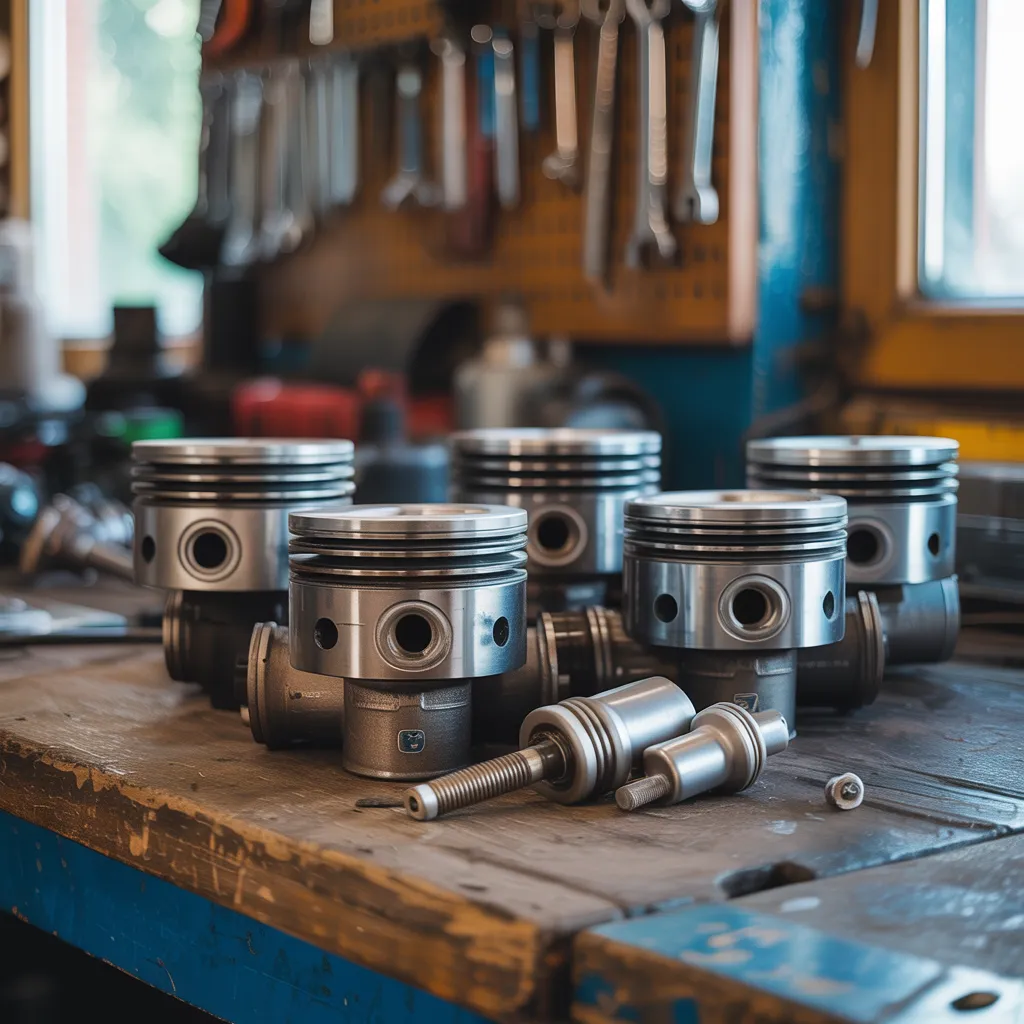
Why Regular Service Keeps Your Engine Functioning Smoothly
Routine maintenance is essential for ensuring that an engine performs efficiently and reliably. This practice includes a series of structured checks and services that assist in detecting potential concerns before they expand. Routine tasks including oil changes, filter replacements, and fluid checks are important in stopping wear and tear. Neglecting these can result in reduced performance, amplified fuel consumption, and ultimately, expensive repairs.
Additionally, regular maintenance supports engine longevity by confirming that all components function harmoniously. Clean fuel injectors and well-lubricated parts minimize friction, improving overall performance. Furthermore, periodic inspections can detect signs of corrosion or leaks early on, facilitating timely intervention. By sticking to a maintenance schedule, vehicle owners can confirm their engines remain in prime condition, thereby promoting safety and reliability on the road. Basically, regular maintenance is a proactive approach that protects the engine's health and performance.
Essential Tools for Maintaining Your Engine and Gearbox
A properly-stocked toolbox is vital for people wanting to maintain their motor and transmission efficiently. Important tools feature a socket set, which supplies the needed versatility for loosening and tightening bolts. A torque wrench is critical for providing the appropriate tension, preventing damage during reassembly. Additionally, an oil filter wrench helps facilitate oil changes, ensuring efficient maintenance.
A multimeter assists in identifying electrical faults, while a set of screwdrivers—both Phillips and flathead—covers various fastening needs. Pliers along with adjustable wrenches are also crucial for securing and rotating parts.
Furthermore, possessing a fluid transfer pump simplifies fluid changes, and a magnetic tray can store small parts organized during repairs. Additionally, a quality mechanic's creeper provides convenient access beneath vehicles. Outfitting a toolbox with these essential tools will optimize maintenance tasks, in the end contributing to the longevity of the engine and gearbox.
Detailed Guide to Performing Effective Routine Inspections
Preserving optimal engine and gearbox performance necessitates more than just the right tools; it also entails conducting regular inspections. A systematic approach can assist in recognize potential issues before they escalate.
Initially, check fluid levels, making sure oil as well as coolant are at appropriate levels. Examine for leaks surrounding seals and gaskets. After that, examine belts and hoses for signs of wear or fraying. Fasten any loose connections to avoid mechanical failures.
Subsequently, listen for unusual audio signals during operation, which could indicate underlying issues. Check temperature gauges and warning lights for irregularities.
Furthermore, check the air filters and change them when needed to preserve ideal airflow. Finally, note all findings and actions taken to establish a maintenance history. Regular inspections foster quick detection of issues, confirming engines and gearboxes run smoothly and extending their lifespan.
Advice for Keeping Your Engine and Transmission Clean
Keeping the engine and gearbox clean is crucial for maximum performance and longevity. Regular cleaning helps preventing the buildup of dirt, grease, and grime that can hinder functionality. To ensure cleanliness, one effective strategy is to schedule regular inspections. During these examinations, any accumulated debris can be promptly removed.
Utilizing suitable cleaning agents is vital. Non-corrosive and biodegradable cleaning solutions are suggested to protect sensitive components from damage. A delicate brush or cloth can be applied to clean areas without creating scratches. Moreover, keeping air filters clean will increase air movement, limiting impurities entering the engine and gearbox.
It is also recommended to inspect and sustain the integrity of seals and gaskets. Damaged seals can let dirt to seep in, undermining cleanliness. In addition, ensuring the immediate vicinity well-maintained can lower the risk of dirt and dust transferring into the engine and gearbox during repair activities.
Top Recommendations for Vehicle Fluid Maintenance and Fluid Levels
Proper upkeep of engine and transmission fluids is essential for optimal performance. Regularly checking fluid levels and adhering to recommended change intervals can prevent potential damage and extend the lifespan of these components. Applying these industry standards assures trustworthy functionality and lowers the probability of costly maintenance.
Optimal Oil Replacement Schedules
Although numerous vehicle owners recognize the critical nature of fluid changes, being aware of the proper intervals for these changes can substantially enhance engine and gearbox performance. Manufacturers usually recommend certain intervals based on mileage or time, typically ranging from three thousand to ten thousand miles for engine oil, depending on the type of oil used. Gearbox fluids might require changes every 30,000-60,000 miles, contingent upon driving conditions. Sticking to these guidelines guarantees superior lubrication, lessens wear, and prevents overheating. Furthermore, extreme conditions such as towing or frequent short trips can warrant more frequent changes. Regularly reviewing the vehicle manual is crucial for personalized recommendations, ensuring the vehicle operates efficiently and prolonging the life of its engine and gearbox.
Verifying Oil and Fluid Levels Consistently
Routinely inspecting fluid levels is essential for sustaining superior engine and gearbox performance. This practice assists in detecting potential issues before they develop into high-cost repairs. Fluid levels in the engine oil, transmission fluid, coolant, and differential fluid need to be examined on a regular basis. A dipstick or sight glass can give fast insights into current levels, while a thorough inspection can identify leaks or contamination. It is recommended to consult the vehicle's manual for recommended frequency and specific fluid types. Additionally, using superior fluids that satisfy manufacturer specifications guarantees superior performance. Ongoing fluid checks not only increase performance but also prolong the lifespan of engines and gearboxes, consequently leading to improved reliability and efficiency in operations.
Initial Indicators of Wear and Tear to Keep an Eye On
Early signs of wear and tear in engines and gearboxes can manifest in various ways. Operators should remain vigilant for unusual noises during operation, which may indicate underlying issues. In addition, fluid leaks and overheating during normal use are key signs that maintenance is necessary.
Uncommon Noise When Running
What could those strange sounds indicate about an engine or gearbox's health? Strange sounds such as grinding, knocking, or whining commonly represent early detection signals of developing issues. A grinding noise may suggest worn gears or bearings, while knocking could indicate internal damage or insufficient lubrication. Whining could reveal transmission problems or belt-driven component malfunctions. Additionally, a rattling noise might reveal loose parts or mounting issues. Disregarding these noises may speed up deterioration and result in expensive fixes. Consistent observation of operational noises is crucial; identifying these signs promptly can enable swift action, guaranteeing optimal performance and extended life of the engine and gearbox. Attentiveness is critical to efficient servicing and trouble prevention.
Fluid Leaking Under the Vehicle
How can one identify potential issues before they escalate? Liquid seepage under a car functions as an initial warning of probable component degradation. Drivers need to frequently monitor the ground under their stationary vehicle for unexpected discoloration or fluid collection. Common fluids to observe include engine oil, transmission fluid, coolant, and brake fluid, each exhibiting distinct colors and textures. As an example, motor oil generally looks brown or black, whereas antifreeze shows green or orange coloring. Determining where these drips originate helps avoid more severe powertrain or drivetrain deterioration. Regular inspections of hoses and seals can also help catch wear before it leads to leaks, ensuring a vehicle operates efficiently and prolonging its lifespan. Swift intervention proves necessary when seepage is found.
Heat Issues During Standard Use
Overheating during normal use can signal underlying issues that require immediate attention. Such symptoms might point to a defective thermostat, insufficient coolant, or a faulty water pump. Preliminary warnings of damage typically emerge via unpredictable temperature changes and abnormal engine sounds. Drivers should also monitor for steam rising from the engine compartment or the activation of warning lights on the dashboard. Disregarding these indicators may result in serious motor harm, such as distorted cylinder heads or ruptured gaskets. Regular inspections and prompt repairs are crucial to prevent overheating and guarantee peak performance. Keeping appropriate fluid quantities and changing deteriorated parts can significantly prolong the life of motors and transmissions, enhancing durability and dependability.
When to Seek a Mechanic for Engine and Transmission Issues?
Establishing the right moment to consult a mechanic for engine and gearbox issues can often be challenging for vehicle owners. Recognizing early warning signs is vital. If the engine shows unusual noises, such as knocking or grinding, or if there's a noticeable decline in performance, these may signal underlying problems. In addition, persistent warning lights on the dashboard should never be disregarded, as they often signal significant issues requiring professional attention.
Fluid leakage, especially involving oil or transmission fluid, necessitates urgent inspection, as they could cause severe damage if ignored. Additionally, if the gearbox displays symptoms of slipping, abrupt shifting, or unusual vibrations, it's recommended to seek expert assistance promptly. Regular maintenance is crucial, but knowing when to consult a mechanic can avoid costly repairs and prolong the life expectancy of the vehicle. Swift intervention ensures that minor issues don't become major, expensive repairs.
FAQ
How Often Must I Check My Engine and Gearbox Fluids?
Engine and gearbox fluids should be reviewed on a regular basis, optimally every month or prior to long trips. This guarantees maximum performance and helps spot potential concerns early, enhancing the longevity and efficiency of the vehicle's components.
Is It Advisable to Perform Maintenance Myself, or Should I Get a Professional?
One can perform basic maintenance personally if skilled, but hiring a professional guarantees expertise and minimizes risk. Eventually, the decision relies on a person's confidence, skills, and the complexity of the maintenance tasks necessary.
What Are the Warning Signs of Gearbox Failure?
Signs of a failing gearbox see guide include unusual noises, difficulty shifting gears, fluid leaks, burning scents, and vibrations. These indicators often suggest internal damage, demanding immediate attention to prevent further complications and potential vehicle failure.
How Does Temperature Influence Engine and Gearbox Performance?
Temperature significantly affects engine and gearbox performance. High temperatures can result in overheating, producing decreased performance and potential damage, while cooler conditions may cause increased viscosity in lubricants, restricting fluid operation and responsiveness.
Are There Particular Maintenance Tips for Older Engines and Gearboxes?
Regular oil changes, regular inspections for leaks, and timely replacement of worn parts are crucial for older engines and gearboxes. Moreover, maintaining proper fluid levels and avoiding extreme temperatures can substantially boost performance and longevity.